How to Deal With Hard Water Marks on Stone Countertops
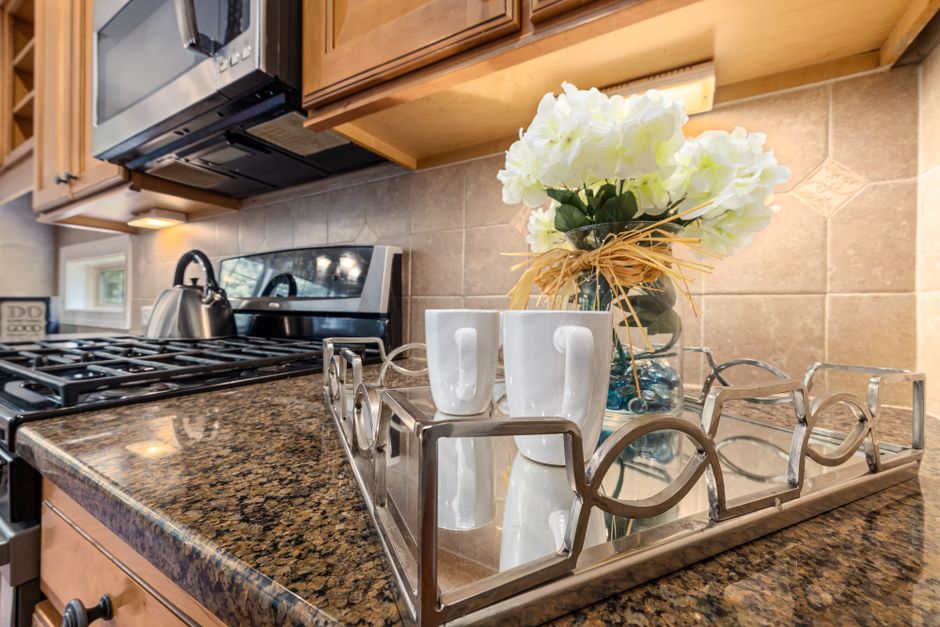
When the water is hard and the stone is marble, the white crust at the faucet base is only half the problem, because the cleaner used to remove it can do more damage than the minerals. Faucet buildup on a countertop in Riverside, CA shows up in repair notes (kept at countertop fabrication riverside the variable life) as a daily problem across the Inland Empire, and the right fix depends entirely on which stone is under the deposit.
What the white ring actually is
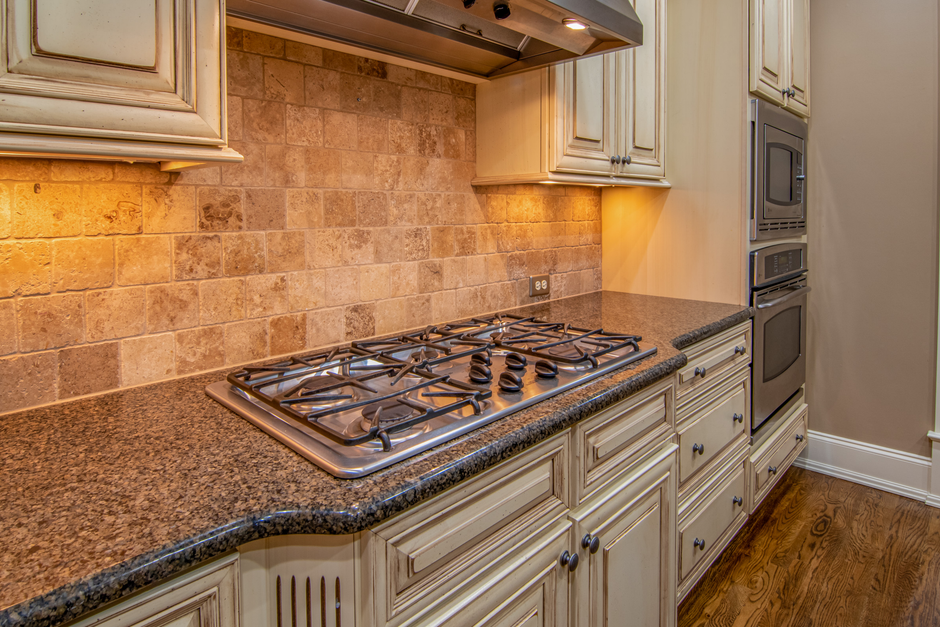
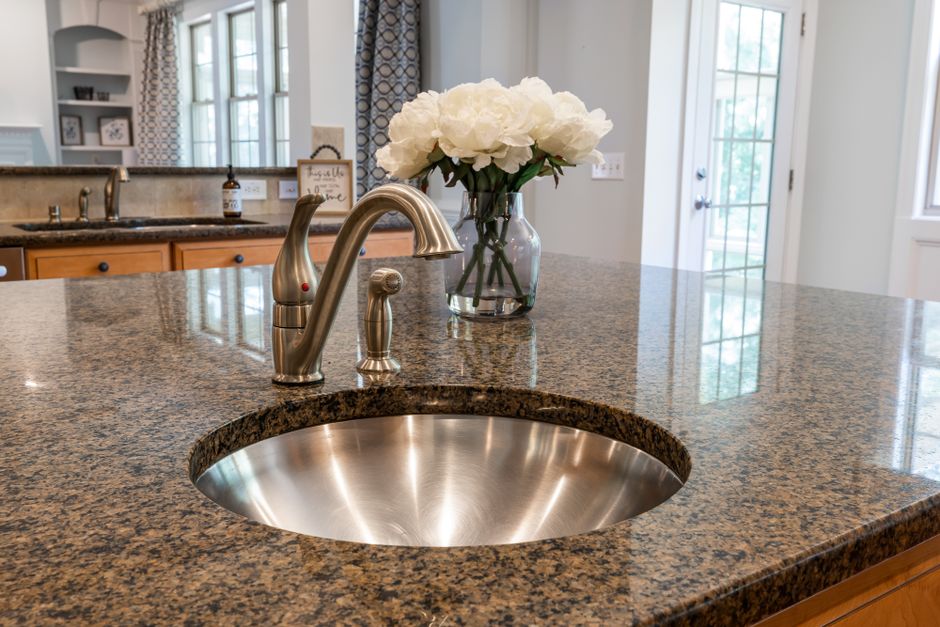
Hard water carries dissolved calcium and magnesium. When a drop sits beside the faucet and evaporates, the water leaves and the minerals stay. Repeat that a few hundred times and the deposit builds into a ring at the faucet base and along the sink edge. Hard water is common in many homes in Riverside County, so this is a frequent complaint. The spots do not mean the stone is defective. They are water chemistry left on a good surface.
Why vinegar and lime removers cause damage
Vinegar and many lime removing cleaners are acidic. On marble, limestone and travertine, acid dissolves a little of the surface and leaves a dull patch where the polish used to be. A cleaner that clears the ring can leave a bigger mark than the ring. Vinegar is not safe on every stone, and it should stay away from marble and soapstone countertops with a polished finish.
Sealer on granite and quartzite
Granite and quartzite resist acid better than marble, but repeated acidic cleaning wears down the sealer over time. The stone then absorbs more, and water darkens it where it used to bead. A slab that once shrugged off a spill starts holding onto it. Check the area near the faucet first, since it gets the most water and the most scrubbing.
Etch or stain
These two get confused, and they are repaired differently. Etching is a chemical change to the stone surface and needs polishing to correct. A stain is something absorbed into the stone and needs a poultice to draw it out. Rubbing an etch with a stain remover accomplishes nothing, and polishing a stain only buffs the surface over the problem. Tilt the light across the surface. A dull patch with no color change is an etch.
Daily habits and quartz
A pH neutral stone cleaner and a soft cloth, used often, prevents most deposits from bonding. Drying the area around the faucet after use stops water from evaporating in place. Pay attention to the sink edge, the overhang and any seam near the faucet, where water pools and sits. An eased edge or a crisp edge profile does not change this, but a slight low spot does. Quartz resists mineral staining well, yet it still collects visible buildup. Remove it with a non abrasive cleaner, because scouring pads dull the finish. In dry weather with Santa Ana winds, water dries faster and leaves harder rings, so wipe sooner.